

Key Takeaways
- SIL builds confidence by giving participants structured daily support that helps them learn skills and feel more capable at home.
- Consistent routines with supportive workers help participants develop practical life skills, social skills and healthy communication.
- SIL encourages decision making, problem solving and emotional resilience so participants gain more control over their daily lives.
- With ongoing guidance and community involvement, SIL helps people grow toward long term independence at their own pace.
Building confidence and developing life skills are essential parts of living a more independent and fulfilling life. For many NDIS participants, one of the most effective ways to strengthen these areas is through Supported Independent Living (SIL). SIL provides structured daily support that helps people grow their abilities, practice new skills and feel more capable in their everyday routines. With the right guidance and a supportive home environment, participants begin to gain confidence in what they can achieve on their own.
This blog explains how SIL empowers individuals, how support workers play a positive role in skill building and why confidence grows naturally when the right supports are in place. Families and participants can use this guide to understand how SIL creates long term benefits that reach far beyond the home.
Understanding Supported Independent Living and Its Role in Daily Growth
Supported Independent Living is an NDIS funded support designed for people who need regular daily assistance to live safely and comfortably in their home. SIL focuses on growth, routine and personal development. The goal is not to replace a person’s abilities but to help them build new skills and strengthen the ones they already have.
In a SIL home, participants receive help with activities such as personal care, meal preparation, cleaning, medication reminders and community access. Each task becomes an opportunity to build confidence. As participants take part in daily routines, they begin to understand their strengths and create a foundation for greater independence.
SIL works because it provides consistency. Participants are supported by trained workers who understand their needs, goals and preferred learning style. This creates a safe space where learning can happen at a comfortable pace. To better understand how SIL supports independence, it helps to explore how structured daily support helps participants build long term confidence and life skills.
Why Confidence Building Matters in Supported Independent Living
Confidence plays a major role in how someone approaches their day. When people feel confident, they try new things, take part in social activities and express their needs more easily. Many participants enter SIL with limited confidence due to past challenges, lack of support or difficulty managing certain tasks on their own.
SIL helps rebuild that confidence by offering guided practice and positive reinforcement. Support workers encourage participants to take small steps forward. Success with even the smallest task can make a meaningful difference. As confidence grows, participants feel more prepared to take on responsibilities, make decisions and build healthier routines.
A supportive home environment makes this growth possible. Participants feel valued, respected and safe to learn without pressure.
Developing Daily Living Skills Through Consistent Support
Daily living skills are essential for independence. SIL helps participants learn and practise these skills with support workers by their side. Over time, tasks that once felt overwhelming begin to feel manageable.
Skill building often includes:
- Personal care tasks such as showering, grooming and dressing
- Meal planning and safe cooking
- Cleaning, laundry and keeping the home organised
- Budgeting and basic money management
- Time management and maintaining routines
- Safe medication handling with reminders
Participants are encouraged to take part in each activity. Support workers help break tasks into easy steps, giving participants a sense of control and achievement. Over time, repetition builds confidence and strengthens long term habits.
Building Social and Communication Skills in a SIL Home
Social connection plays a major role in quality of life. SIL creates many opportunities for participants to develop social and communication skills. Living with others or interacting regularly with support workers helps participants practise conversations, teamwork and shared decision making.
Participants may also take part in community activities that help them connect with others outside the home. These experiences improve confidence in social situations and contribute to a sense of belonging.
Communication skills also develop naturally. Participants learn to express their needs, share preferences, ask for help and contribute to household decisions. This creates a stronger sense of independence and personal identity.
How SIL Encourages Better Decision Making and Problem Solving
Decision making is a key part of independence. SIL helps participants improve these skills by involving them in everyday choices. These might include what to cook, how to organise their day or how to approach a new task.
Support workers provide guidance and help participants weigh options, understand consequences and build problem solving strategies. Over time, this process strengthens critical thinking and encourages participants to take more control over their daily lives.
Real life situations also provide valuable learning opportunities. When challenges arise, support workers help participants navigate them calmly and confidently. This practical learning is one of the most effective ways to build independence.
Strengthening Emotional Resilience and Self Advocacy
Living independently requires more than just practical skills. Emotional resilience and self advocacy are equally important. SIL encourages both by creating an environment where participants feel heard and supported.
Through regular interactions with support workers, participants learn to communicate how they feel and what they need. They also learn how to stand up for themselves, make choices based on personal preferences and express concerns in a healthy way.
Emotional growth happens through consistent encouragement, structured routines and opportunities to practise coping strategies. With time, participants feel more capable of managing difficult emotions and navigating social situations.
The Role of Support Workers in Skill Building and Encouragement
Support workers play a key role in building confidence and guiding skill development. They support participants in a way that promotes learning rather than dependency. Their approach is gentle, respectful and focused on personal growth.
Support workers often:
- Demonstrate skills step by step
- Encourage participation rather than taking over tasks
- Provide positive reinforcement
- Create routines that promote consistency
- Help participants set realistic goals
- Model healthy communication and social behaviour
- Offer guidance in community settings
Their presence gives participants the confidence to try new things without fear of failure. As trust grows, participants feel more comfortable taking the lead in their own home.
Life Skills Gained Through Community Participation
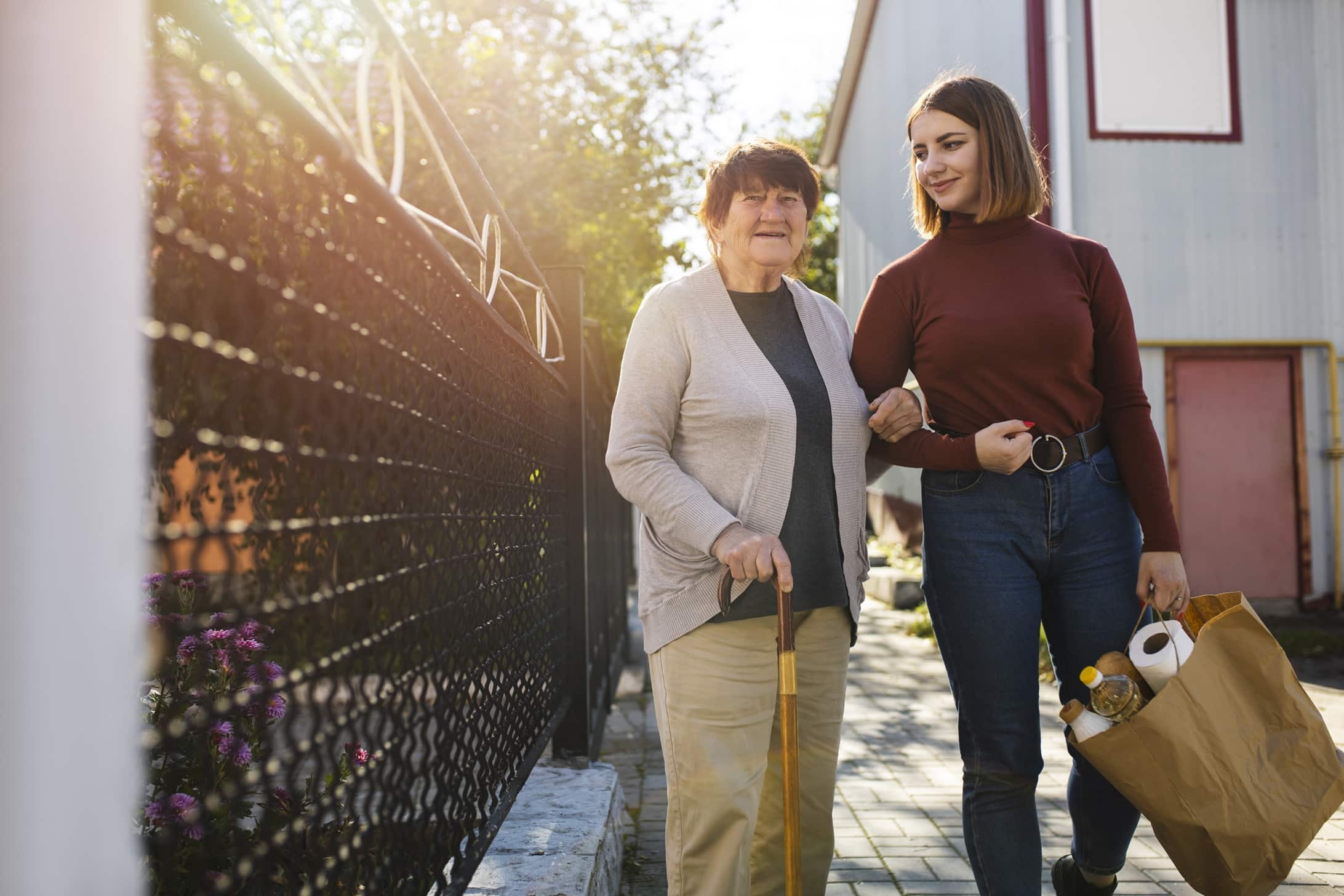
Community involvement is an important part of skill building. SIL encourages participants to take part in activities outside the home, which can be anything from shopping and appointments to social groups and recreation.
These experiences help develop:
- Social awareness
- Confidence in public settings
- Communication skills
- Travel and navigation abilities
- Problem solving in real world situations
- Awareness of safety and responsibilities
Each outing provides practical learning opportunities that build confidence and prepare participants for greater independence.
Real Progress: How SIL Helps Participants Move Toward Long Term Independence
The long term benefits of SIL go beyond daily routines. As participants build confidence and master essential life skills, they begin to see what is possible for their future. Progress looks different for each person, but many achieve milestones such as:
- Taking more responsibility at home
- Expressing themselves with more confidence
- Building stronger relationships
- Feeling more capable in social settings
- Managing daily tasks with reduced support
- Setting long term goals and working toward them
SIL lays the foundation for independence by giving participants the skills, structure and support they need to grow at their own pace.
Start Your Journey Toward Greater Independence With Us
Supported Independent Living is more than daily assistance. It is a pathway to confidence, personal development and long term independence. Through structured routines, community engagement and consistent encouragement, participants gain valuable life skills that improve their wellbeing and strengthen their future.If you or someone you care for is ready to build confidence through Supported Independent Living (SIL), our team is here to help. Contact us today to learn how our support can guide you toward a more independent and fulfilling way of living.